Resource Library
0%
Assessments To lessons
Companion Resources

Everything that supports the lessons

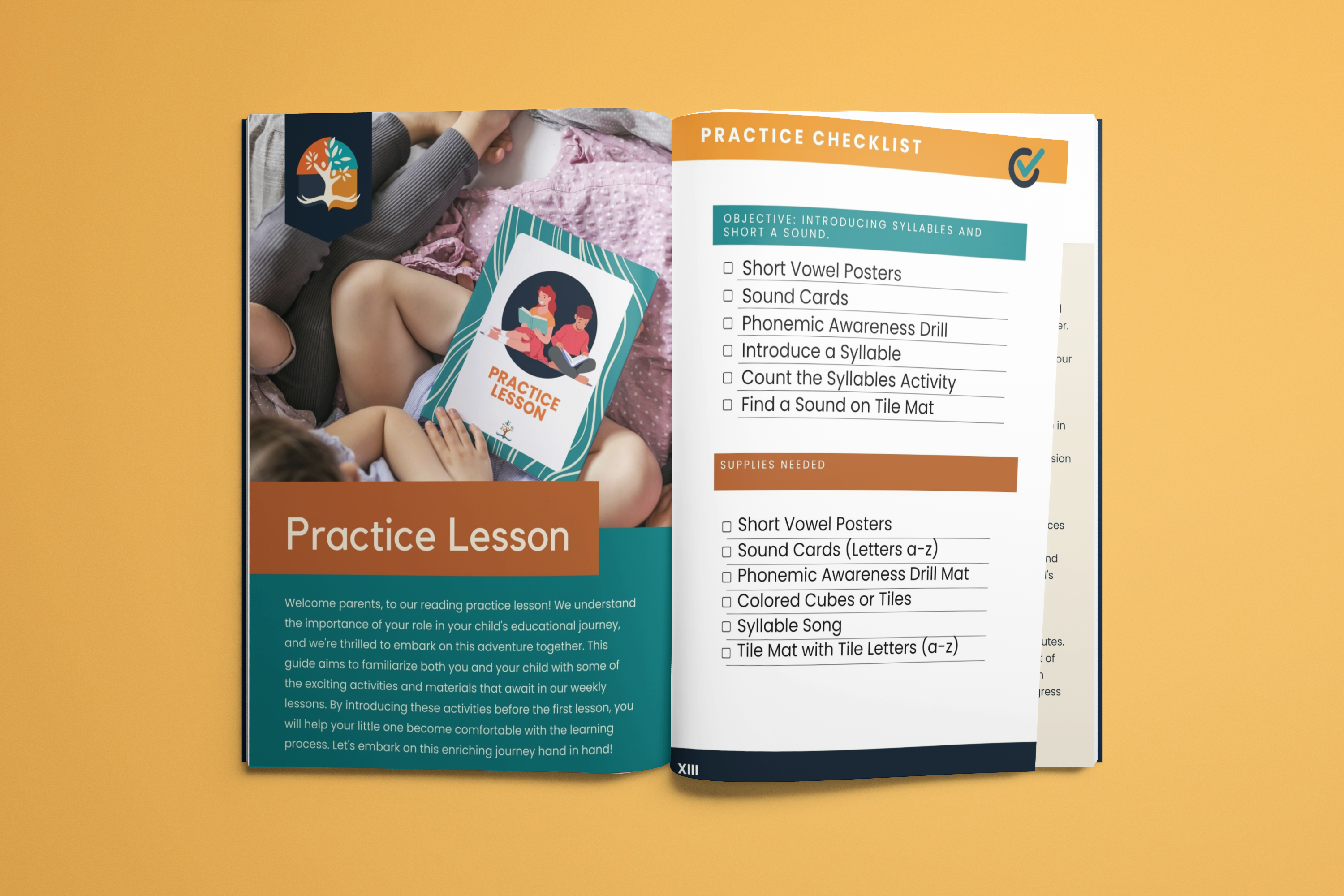
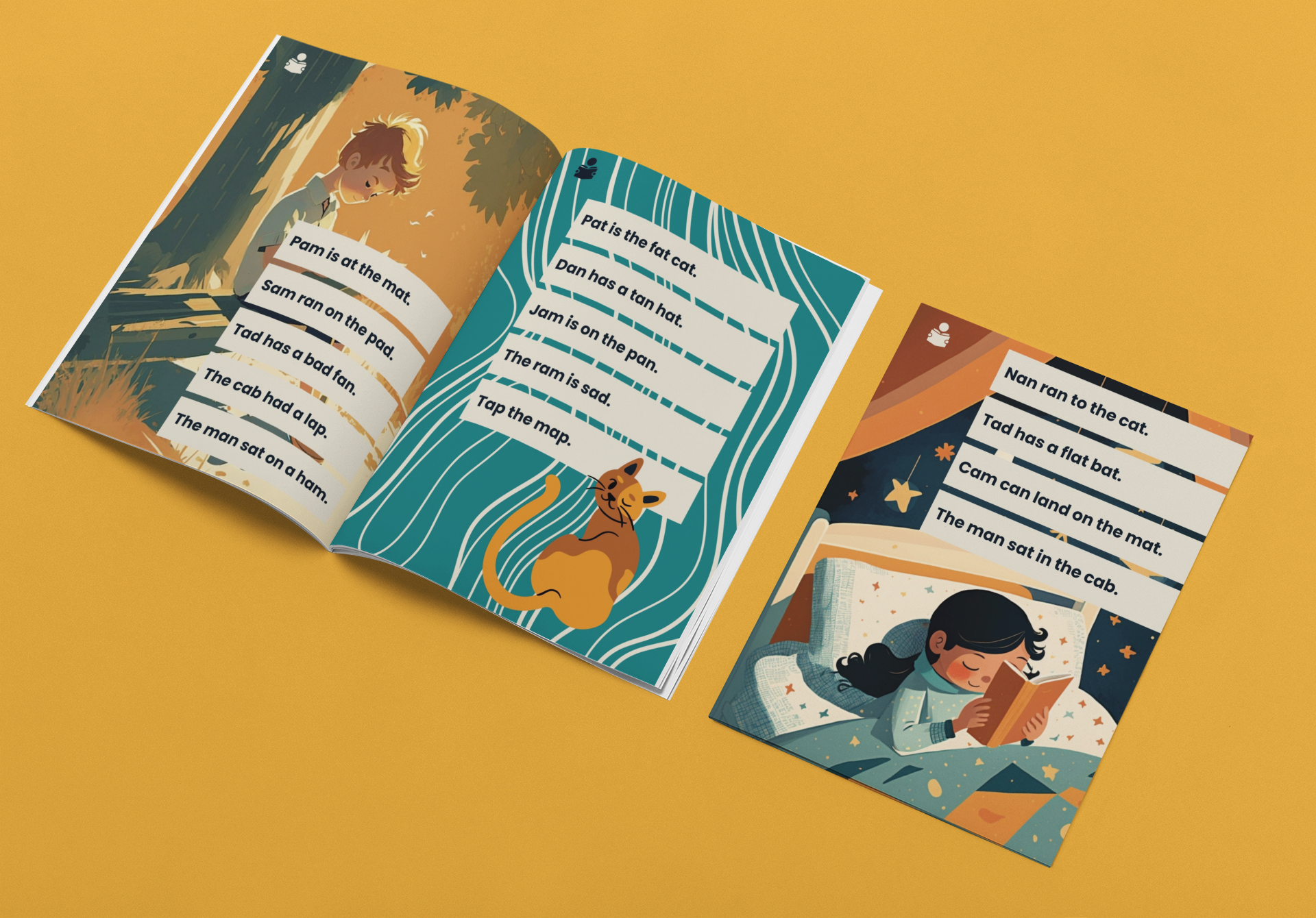
Watch, listen, print, and practice. These resources pair with the ParentTutor Training so you always have the right tool on hand.

Workbook Assessments

After each workbook, check that your child has truly mastered the skills before moving on — the tool scores it and tells you what to do next.

Open all

Video Library

Short demonstrations of every technique — watch one, then teach it.

Full playlist

Syllable Song Playlist

Catchy songs that make the syllable types stick.

Full playlist

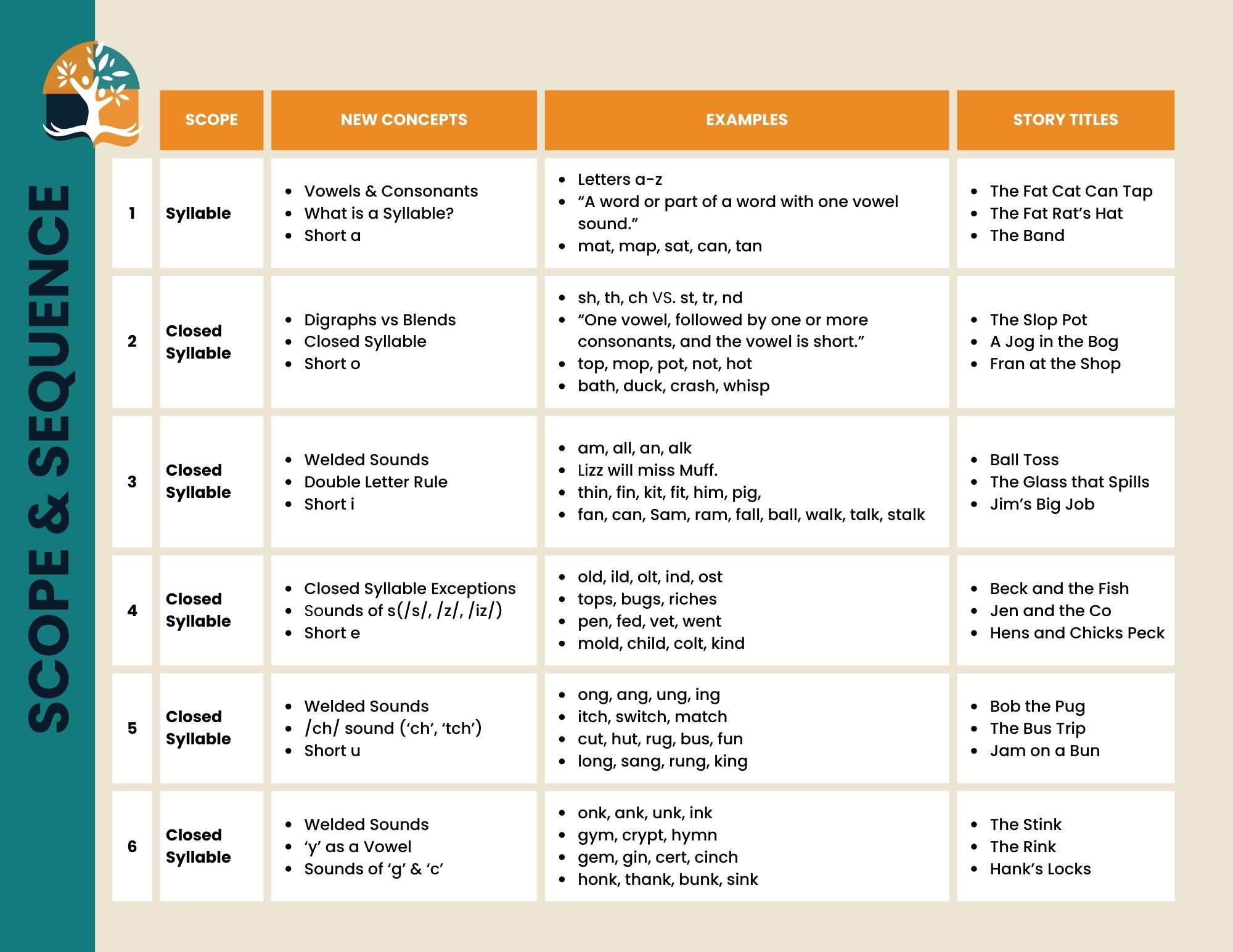
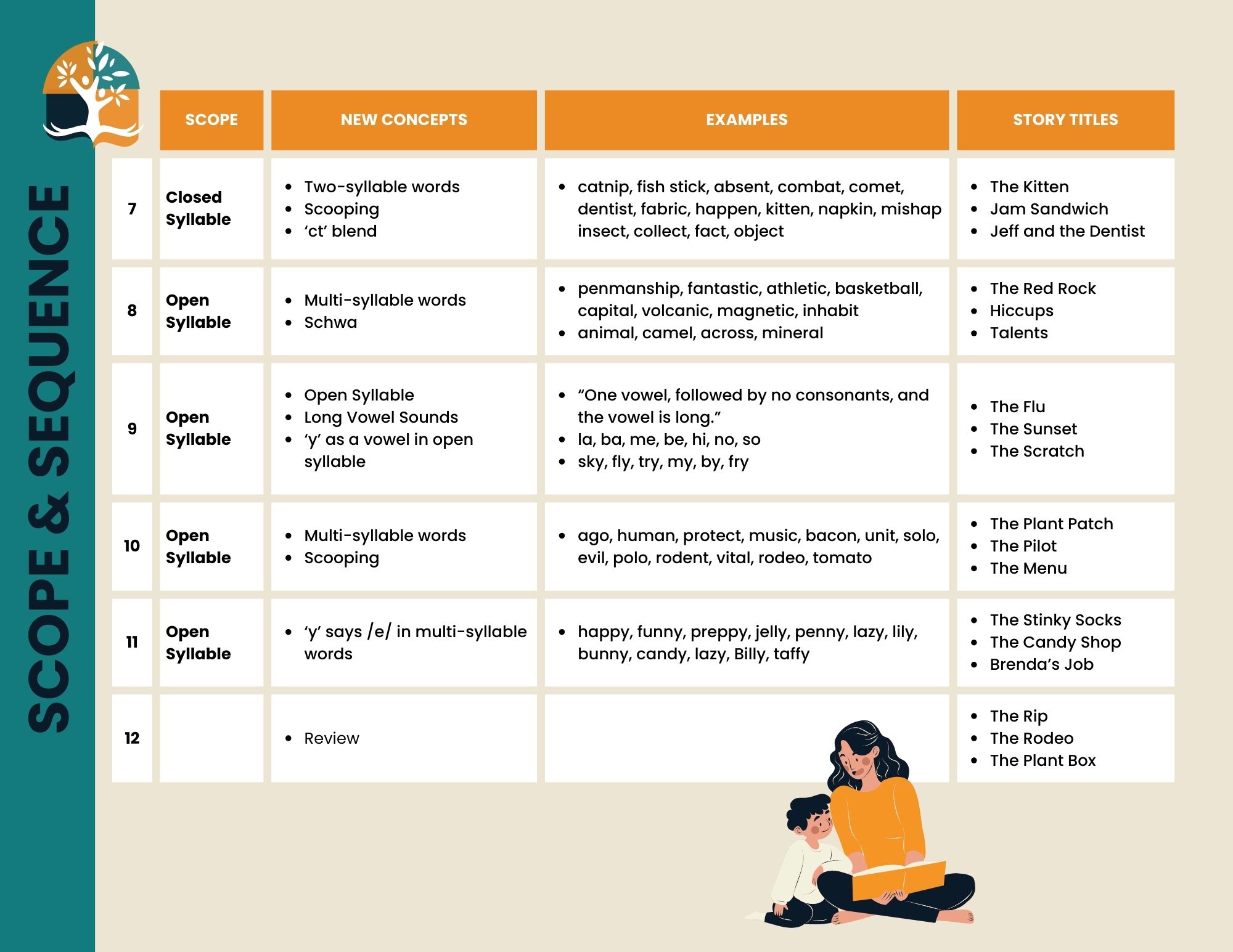
Printables & Scope and Sequence

Print at home and follow along, lesson by lesson.
Sound Cards — Games & Activities

Tap a card to flip it. When Sandra's voice clips are added, each card will say its sound.

Open full page

Phonics Sound Cards

Tap any card to flip

AI Prompt Pack

Copy these into ChatGPT or Claude to plan and generate practice in seconds.

AI Co-Tutor · Prompt

Decodable Word & Sentence Generator

Generate practice that only uses patterns your child has already learned — the heart of structured literacy.

You are a structured-literacy reading tutor. Generate decodable practice for my child. - Target pattern: [e.g., the /sh/ digraph] - Grade / level: [e.g., 1st grade] - Patterns already taught (use ONLY these plus the target): [e.g., short vowels, m, s, t, p, n, b, sh] Give me: (1) 15 decodable words using only those patterns, (2) 5 short decodable sentences, and (3) 3 "challenge" words. Avoid any pattern not listed. Keep it warm and age-appropriate.
Open in ChatGPT Open in Claude Copied to clipboard
AI Co-Tutor · Prompt

Daily Practice Planner

Turn any skill into a full, structured session — aim for 30–60 minutes so the lesson lands. (15 minutes works as a fallback on a busy day, but it isn’t enough on its own.)

Plan a structured-literacy practice session for my child. Target 45 minutes (at least 30, ideally up to an hour), and include a shorter 15-minute "busy day" version I can fall back on. - Skill to work on: [e.g., blending CVC words] - Age / grade: [e.g., 6, kindergarten] - What tends to help my child: [e.g., movement, short tasks, lots of praise] Give me a minute-by-minute plan with: a warm-up, the new teaching, guided practice, a quick game, and a positive wrap-up. Keep instructions to me, the parent, simple and specific.
Open in ChatGPT Open in Claude Copied to clipboard
AI Co-Tutor · Prompt

Decodable Bedtime Story

Turn tonight's reading practice into a story your child can actually read themselves — starring whoever they want.

You are a children's author who writes decodable stories for structured-literacy learners. Write a short bedtime story my child can read aloud. - Patterns already taught (use ONLY these): [e.g., short vowels, m, s, t, p, n, b, c, h, sh] - My child's name and favorite things: [e.g., Mia, dogs, camping] - Length: [e.g., 8-10 short sentences] Rules: every word must be decodable with the listed patterns, or be one of these common words: the, a, I, to, is, of. Keep sentences short. Make it warm and a little funny. End with a happy line my child will want to read again.
Open in ChatGPT Open in Claude Copied to clipboard
AI Co-Tutor · Prompt

Tough Night Troubleshooter

Practice fell apart tonight? Describe what happened and get concrete adjustments for tomorrow — not a lecture.

You are a calm, experienced structured-literacy coach for parents of children with dyslexia. Tonight's practice session didn't go well. Help me fix it. - What we were working on: [e.g., blending CVC words] - What happened, honestly: [e.g., he guessed at every word, then cried and quit after 5 minutes] - What I did in the moment: [e.g., I got frustrated and made him finish the page] - My child's age and how long we've been at this: [e.g., 7, three weeks] Tell me: (1) what was most likely going on for my child, (2) two specific changes for tomorrow's session, (3) the exact words to open tomorrow's session so we start fresh, and (4) one thing I did right, because I probably can't see it tonight. Be kind but concrete. No shame.
Open in ChatGPT Open in Claude Copied to clipboard
AI Co-Tutor · Prompt

Letter to the Teacher

Draft a clear, collaborative email to your child's teacher or school — what you're seeing, what you're doing at home, and what you're asking for.

You are an advocate who helps parents communicate with schools about dyslexia. Draft an email from me to my child's teacher. - My child's name, age, and grade: [e.g., Leo, 7, 2nd grade] - Where we are: [e.g., formally diagnosed in March / suspected, evaluation pending] - What I'm seeing at home: [e.g., strong comprehension when read to, guesses at words, homework meltdowns] - What we're doing at home: [e.g., daily Orton-Gillingham-based practice with a structured curriculum] - What I'm asking for: [e.g., a meeting, classroom accommodations, screening, progress data] Write it warm, brief, and collaborative — the teacher is an ally, not an adversary. Reference structured literacy naturally, not as jargon. End with a specific, easy next step.
Open in ChatGPT Open in Claude Copied to clipboard
AI Co-Tutor · Prompt

Weekly Wins Recap

Paste your week of practice notes and get back the progress you can't see from inside it — plus what to focus on next week.

You are a structured-literacy coach reviewing a parent's practice log. Here are my rough notes from this week's sessions with my child: [paste your notes — even messy one-liners like "Tue: sound cards fine, blending rough, quit early"] Give me: (1) three genuine wins from this week, stated specifically enough that I could repeat them to my child, (2) the one pattern that most needs attention, (3) a focus for next week in one sentence, and (4) a one-line encouragement for ME — the parent doing this every night.
Open in ChatGPT Open in Claude Copied to clipboard
AI Co-Tutor · Advocacy

Request School Testing — Letter Writer

A written request starts a legal clock; a hallway conversation starts nothing. This drafts the letter that formally requests an evaluation.

You help parents request special education evaluations from U.S. public schools. Draft a formal letter from me to my child's school requesting a comprehensive psychoeducational evaluation. - My child's name, grade, school: [name, grade, school] - What I'm seeing: [reading struggles, examples from home/school] - Any history: [teacher conversations, report cards, prior interventions, family history of dyslexia] Requirements: address it to the principal AND the special education director; explicitly request a comprehensive evaluation under IDEA in the area of reading (Specific Learning Disability, including characteristics of dyslexia); ask for the evaluation timeline and my parental rights in writing; keep it firm, brief, and collaborative in tone; end with my consent to evaluate. Then tell me: how to deliver it so receipt is documented, and what typically happens next. Note anything that varies by state that I should verify.
Open in ChatGPT Open in Claude Copied to clipboard

General information about the U.S. public-school process — not legal advice. Rules and timelines vary by state and district.

AI Co-Tutor · Advocacy

IEP Meeting Prep Coach

Walk into the meeting with your data organized, your questions written, and the jargon translated — before you're sitting at the table.

You are an experienced, level-headed special education advocate preparing a parent for an IEP (or 504) meeting about a child with dyslexia. - The meeting: [initial IEP / annual review / 504, and the date] - My child: [age, grade, diagnosis or evaluation status] - What the school has proposed or provided so far: [paste from the draft IEP/evaluation, or "nothing yet"] - What we do at home: [e.g., daily Orton-Gillingham-based practice; progress you've tracked] - My biggest worry: [what you're afraid will or won't happen] Give me: (1) a plain-language translation of anything technical I pasted, (2) the 5 most important questions to ask, in order, (3) accommodations and services that typically help dyslexic readers that I should listen for or request, (4) exactly what to say if I'm told "we don't use the word dyslexia" or "let's wait and see," and (5) a one-page meeting cheat sheet I can print. Keep the tone collaborative — the team is not the enemy.
Open in ChatGPT Open in Claude Copied to clipboard

General information — not legal advice. IEP/504 processes vary by state and district.

AI Co-Tutor · Advocacy

Know Your State's Rules

Dyslexia laws differ wildly by state — screening mandates, intervention requirements, teacher training. Find out what your state owes your child.

You are a research assistant helping a parent understand dyslexia-related education law and resources in their U.S. state. Please search for current information rather than relying on memory, and cite your sources. - My state: [state] - My child: [grade, public/private/charter school, diagnosed or suspected dyslexia] Tell me, with sources: (1) whether my state has a dyslexia-specific law or handbook, and what it requires schools to do (screening, intervention, teacher training), (2) what rights and timelines apply when a parent requests an evaluation here, (3) any state dyslexia resource centers, parent organizations, or Decoding Dyslexia chapters, and (4) anything my state is known to do differently from federal IDEA baselines. Flag anything you're not certain is current, and tell me exactly what to verify with my district and where.
Open in ChatGPT Open in Claude Copied to clipboard

Laws change and AI answers can be outdated or wrong — treat results as a starting point and verify with your district or a local advocate. Not legal advice.