What you’ve noticed
Family history, early language and what reading looks like at home right now.
 Apricot Tree Academy
Answer 15 questions, then do four short word games with your child. In about 15 minutes you’ll know whether it’s time to ask for a formal evaluation, and exactly how to ask.

Only a qualified professional can diagnose dyslexia. This screening helps you decide whether to ask for that evaluation, and if the answer is yes, it gives you a ready-to-send request letter filled in with what you’ve noticed.
Most screenings for parents are just a checklist. This one pairs what you’ve seen at home with what your child actually does, because the strongest early signs of dyslexia show up in how a child handles sounds and new words.
Family history, early language and what reading looks like at home right now.
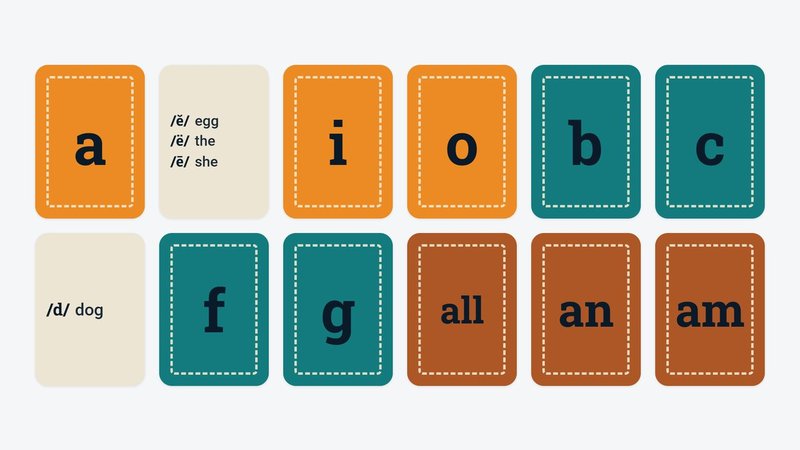
Playing with the sounds inside words, and how quickly your child names colors or numbers.
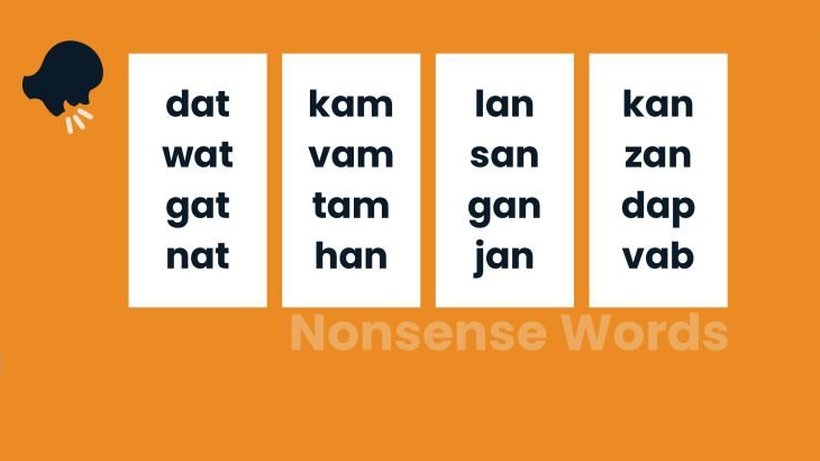
Made-up words can’t be memorized, so they show how your child really sounds words out.

Sandra taught elementary school for six years, has tutored children in reading for more than ten years, and holds a certificate from the Dyslexia Training Institute. She designed this screening so parents could see what she sees in the first fifteen minutes with a new student, and know when it’s time to bring in a professional.
No. A screening shows whether your child has signs that are worth a closer look. Only a qualified professional, such as a school psychologist, educational psychologist or licensed dyslexia evaluator, can diagnose dyslexia. This screening helps you decide whether to ask for that evaluation.
Kindergarten through 4th grade, roughly ages 5 to 10, once your child has had some reading lessons. Older children can take it, but a formal evaluation gives a clearer picture for them.
They stay in your browser and are cleared when you close the page. We never ask for your child’s name. If you choose to email yourself the report, we receive your email address and the result levels only, never your individual answers.
Stop. Every activity can be skipped, and the harder ones stop on their own when the words get too hard. The results work with whatever you finished.
Trust your instincts. A screening can miss things, and you can request an evaluation any time you are concerned, whatever the results say.
In the US, you can ask your public school district for a free evaluation in writing under the Individuals with Disabilities Education Act (IDEA). That includes children in private school, and in most states homeschooled children too. You can also pay for a private evaluation. If your results point that way, the screening gives you a request letter to send.
Free, private and built for parents. You’ll know where your child stands today and what to do about it.