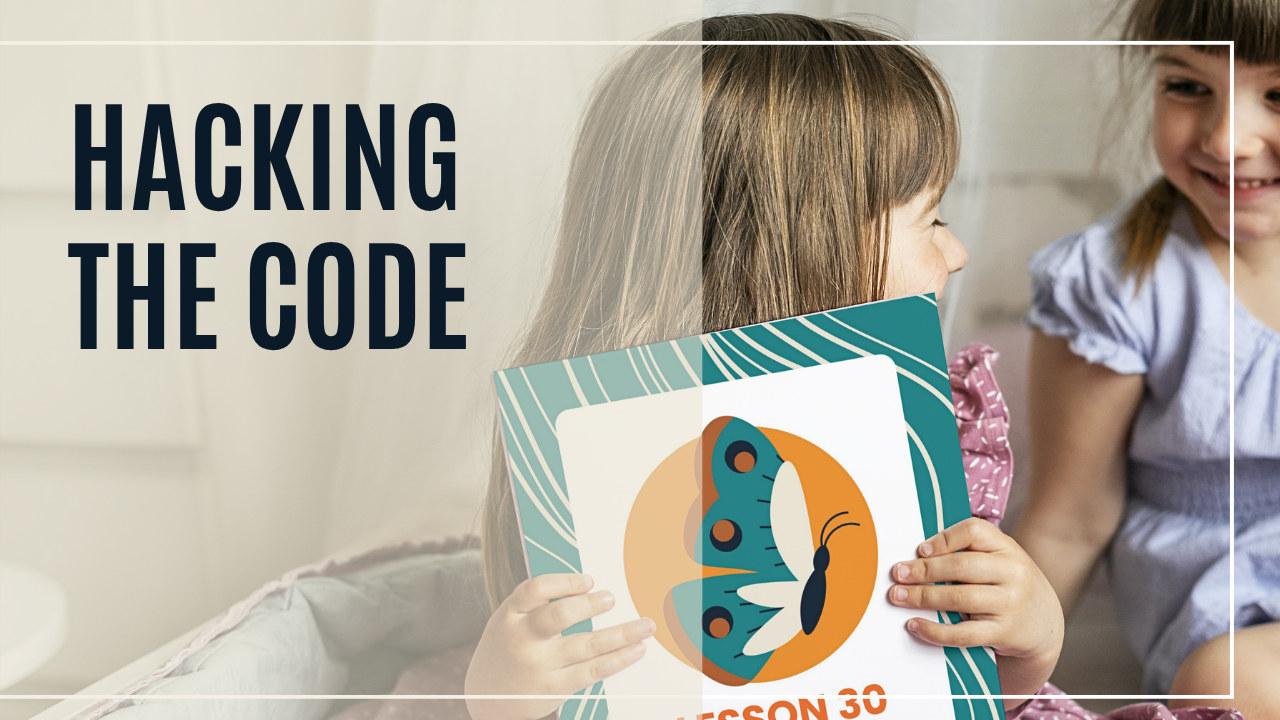
If you’re searching for a relatable, engaging chapter book for a child with dyslexia, “Hacking the Code: The Ziggity Zaggety Road of a D-Kid” by Gea Meijering is a fantastic pick. This vibrant, high-energy book follows the hilarious adventures of Kees, a mischievous young boy who loves pulling practical jokes—sometimes a little too much. As Kees and his friends compete to out-prank one another, he finds himself navigating the tricky consequences of his fun-loving nature, all while the story shines a much-needed spotlight on the emotional and academic challenges faced by children with dyslexia.
What is “Hacking the Code” about?
“Hacking the Code: The Ziggity Zaggety Road of a D-Kid” by Gea Meijering centers on Kees, a mischievous young boy with a big personality and an even bigger love of practical jokes. The story follows Kees and his friends as they compete to out-prank one another, and Kees soon finds himself tangled up in the consequences of his fun-loving nature. The plot moves quickly and keeps the laughs coming, but underneath the comedy is a story about what it actually feels like to be a kid who learns differently.
That balance is what makes the book special. It isn’t a heavy, issue-driven read, and it isn’t pure slapstick either. The humor pulls reluctant readers in, and the emotional honesty keeps them connected to Kees as a character they recognize—a kid who is funny, capable, and figuring out how to handle the parts of school and life that don’t come easily.
Why was this book written for dyslexic readers?
This story isn’t just about laughs—it shines a much-needed spotlight on the emotional and academic challenges faced by children with dyslexia. Written specifically for upper elementary–aged readers, “Hacking the Code” captures the everyday ups and downs of life for a child with dyslexia, offering both humor and heart. For many kids, seeing a main character who shares their struggles—and still gets to be the funny, clever hero of his own story—is genuinely powerful.
Children with dyslexia often spend their school days feeling like the thing they find hardest is the thing everyone else finds easy. A book that names those feelings, without lecturing, tells a child they’re not alone. That sense of being understood matters for a child’s confidence and self-image, which is why we talk so often with families about protecting self-esteem alongside reading skills. The right story can do quiet, lasting work on both at once.
What makes the text features stand out?
One of the standout features of this book is its format. While it’s a traditional chapter book, it’s packed with engaging, comic book–style illustrations by talented artist Mads Johan Øgaard. These visuals do double duty:
- They break up the text so the page never feels like an intimidating wall of words—a real difference-maker for a child who tires quickly while decoding.
- They enhance the storytelling, giving extra context and humor that support comprehension rather than competing with it.
- They appeal to visual learners and reluctant readers, who often connect with illustrations before they fully connect with the prose.
This format makes “Hacking the Code” an approachable middle step for a child who has outgrown picture books but isn’t yet comfortable with dense, illustration-free chapter books. If your child also enjoys these illustrated stories, audio can be a great companion—here’s how audiobooks support dyslexic readers without taking away the reading practice they still need.
Why does this book work for kids with dyslexia?
A few specific qualities make this book a strong fit for dyslexic readers ages 8–12:
- A relatable main character with real-life struggles and triumphs, so kids feel reflected rather than singled out.
- Comic-style illustrations that make reading more accessible and fun, easing the visual load on the page.
- Short chapters and engaging content that create natural stopping points and encourage kids to keep going to the next one.
- Themes of friendship, mischief, and self-acceptance that resonate with young readers and reinforce that being a “D-Kid” is just one part of who they are.
A book like this is a reading-for-pleasure win, and it pairs well with the structured, explicit instruction children with dyslexia need to actually learn to decode. The story builds motivation and confidence; an Orton-Gillingham–based program builds the skills. Our Dyslexia Intervention Curriculum handles the systematic phonics side so that books like “Hacking the Code” can do what they do best—make your child want to pick up a book.
Who should read this book?
We highly recommend “Hacking the Code” for dyslexic children, or any reader who enjoys a funny, fast-paced story with a big heart. It’s a relatable, empowering read that helps kids feel seen, understood, and—most importantly—entertained. If you’re building a dyslexia-friendly library or simply want a great book your child will actually love, this is a must-add.
You can find the title online, and if you’re assembling a home reading toolkit alongside it, our own workbook on Amazon gives you the structured practice that complements engaging reads like this one. The goal is a shelf that offers both: stories that build love of reading, and tools that build the skills behind it. For more titles to add, see our roundup of books for kids with dyslexia.
Frequently Asked Questions
Who wrote Hacking the Code, and who illustrated it?
Hacking the Code: The Ziggity Zaggety Road of a D-Kid was written by Gea Meijering and illustrated by Mads Johan Øgaard, whose comic book–style art appears throughout the chapter book.
What age group is Hacking the Code written for?
It was written specifically for upper elementary–aged readers, making it a good fit for children roughly ages 8–12, including kids who are moving beyond picture books but aren't ready for dense, illustration-free novels.
What is Hacking the Code about?
The book follows Kees, a mischievous young boy who loves practical jokes, as he and his friends compete to out-prank one another and he navigates the consequences. Alongside the humor, it spotlights the emotional and academic challenges faced by children with dyslexia.
Why is this book good for children with dyslexia?
It pairs a relatable main character and themes of friendship, mischief, and self-acceptance with short chapters and comic-style illustrations that break up the text. That combination makes reading more accessible and helps dyslexic kids feel seen and entertained.
Is reading this book enough to help my child with dyslexia learn to read?
No. Engaging books like this build motivation, confidence, and a love of reading, but children with dyslexia also need explicit, systematic, Orton-Gillingham–based instruction to learn to decode. The two work best together.