The Science of Reading is an evidence-based framework, built from decades of research, that explains how reading develops and how it should be taught. It emphasizes explicit, systematic instruction in the foundational skills children need to read — and it has reshaped education policy, curriculum, and teacher training because it works better than the guessing-based methods it replaced.
What is the Science of Reading?
The Science of Reading is the collected research from cognitive science, linguistics, and education on how the brain learns to read. Its central finding is simple but powerful: reading is not natural the way speaking is. It has to be taught directly and in a logical order, building from the sounds of language up to fluent comprehension. That is especially true for children with dyslexia, who need this explicit instruction the most.
The five pillars of reading
The Science of Reading rests on a set of core skills that must be taught together:
- Phonemic awareness — hearing and manipulating the individual sounds in spoken words. This is the foundation, and it is done by ear, before letters are introduced.
- Phonics — the systematic, explicit teaching of how letters map to sounds, which powers both reading and spelling.
- Fluency — reading accurately, at a comfortable pace, and with expression, so the brain is free to focus on meaning.
- Vocabulary — knowing what words mean, which is essential for understanding what is read.
- Comprehension — the active work of making meaning, supported by strategies like predicting, summarizing, and questioning.
Underpinning all five is strong oral language development — vocabulary, sentence structure, and background knowledge — which lays the groundwork for comprehension.
Why the Science of Reading matters
For decades, many classrooms taught reading by encouraging children to guess words from pictures and context. For kids with dyslexia, that approach fails — they need the code taught directly. The Science of Reading provides a research-backed alternative that gives every learner a strong foundation, and it is the reason states and schools across the country are changing how reading is taught.
What it means for parents at home
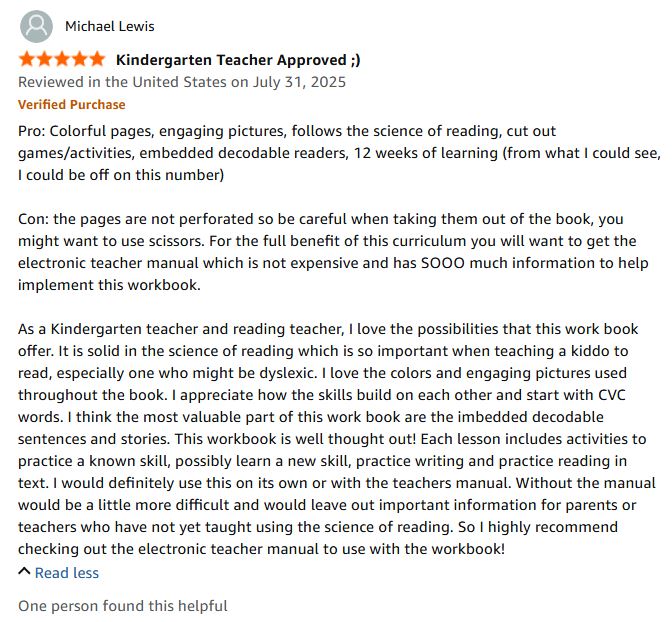
You do not need a teaching degree to apply the Science of Reading. The key is structured, sequential, multisensory practice — short, consistent sessions that build skills in order. Our dyslexia intervention curriculum is grounded in the Science of Reading and built for parents to teach (the workbook is on Amazon). For a step-by-step start, see how to teach a dyslexic child to read at home.
Frequently Asked Questions
What is the Science of Reading in simple terms?
It is the research on how children learn to read. It shows that reading must be taught explicitly and systematically — especially the connection between sounds and letters — rather than left to guesswork.
What are the five pillars of the Science of Reading?
Phonemic awareness, phonics, fluency, vocabulary, and comprehension. Strong oral language and background knowledge support all five.
How is the Science of Reading different from balanced literacy?
Balanced literacy often encouraged guessing words from context and pictures. The Science of Reading teaches decoding directly and systematically, which is far more effective — particularly for children with dyslexia.
Does the Science of Reading help children with dyslexia?
Yes. Children with dyslexia need explicit, structured instruction the most, and the Science of Reading is built on exactly that kind of teaching.
How can I use the Science of Reading at home?
Use short, consistent, multisensory practice that builds skills in order — phonemic awareness, then phonics, then fluency — using a structured program designed for parents.